
How to Choose the Best Freediving Fins
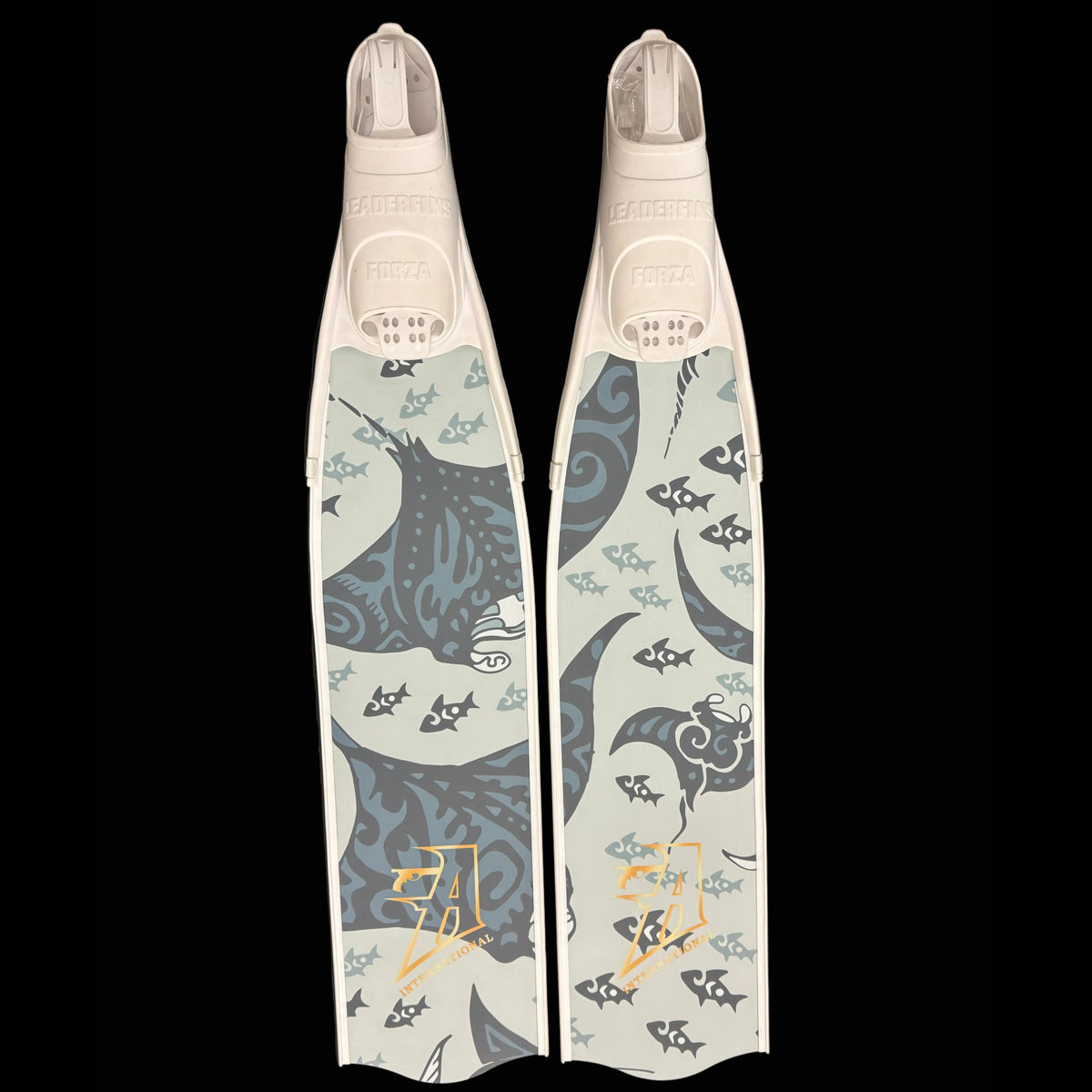
Ask ten divers to name the best freediving fins and you will get ten answers, most of them the fins they happen to own. That is not as unhelpful as it sounds, because it points at the real answer. There is no single best fin, only the fin that fits your feet, matches your strength and suits the diving you actually do.
Below we work through the decisions in the order that matters. Foot pocket first, then stiffness, then blade material, then length and durability, with sizing for Australian conditions and the honest version of what an upgrade buys you.
Start With the Foot Pocket, Not the Blade
This is the single most common mistake. Divers research blade materials for weeks, then buy a foot pocket that rubs, pinches or lets the heel lift. Experienced freed divers put it plainly, that there is no best fin, only the best foot pocket for your feet. Most of what is written about fit comes from divers and manufacturers rather than formal studies, but the advice is remarkably consistent.
What a good foot pocket does
-
Holds the heel without lifting during the up-kick, so no energy is wasted
-
Transfers power through the whole sole rather than pressing on the toes
-
Avoids hot spots that become blisters on a long swim
-
Flexes with the ankle rather than fighting it
Foot pockets vary noticeably in shape between makers. Some run narrow, some are cut for a higher instep, and the right answer depends on your feet rather than on reviews. If you can try before buying, do.
Why many divers buy pockets first and blades later
Because on many fins the blades are replaceable and the pockets stay. A sensible upgrade path is to get a foot pocket that genuinely fits, start on affordable blades, then move to composite blades when you are ready. Worth checking before you count on it, since blades are not universally interchangeable. Rail dimensions and fixing systems have to match the pocket.
Getting the Size Right
Freediving foot pockets are not sized like shoes. Work from your measured foot length and the maker's chart, then account for whatever you wear inside the pocket. Sizing varies between makers, so a size that fits one brand tells you little about another.
Allow for what goes on your feet
-
Thin socks for warm water, adding a little volume and preventing rub
-
Neoprene socks around 3 millimetres, commonly used across cooler southern Australian water
-
Thicker booties of 5 millimetres for colder regions and winter, which may need a size up
Size for the setup you will dive in most of the year, not the warmest day. Manufacturer guidance often says a measured fit covers socks up to around 3 millimetres, with a size up only for thicker footwear.
Signs the size is wrong
Heel lift on the up-kick, numb toes after twenty minutes, cramping calves, or having to point your toes to keep the fin on. None of these are things you get used to.
Matching Stiffness to You
Stiffness is matched to body weight, leg strength and diving style, not to how experienced you are. Technique, ankle mobility and conditions all feed into it as well, so treat weight as a starting point rather than a formula. A stiff blade in the hands of a diver who cannot load it properly is slower and more tiring than a softer blade used well.
|
Blade stiffness |
Generally suits |
Feels like |
|
Soft |
Divers wanting comfort and ease, long surface swims, relaxed cruising |
Easy to load, forgiving, less punishing on the calves |
|
Medium |
All-round use: mixed spearfishing and freediving |
A balance of acceleration and efficiency |
|
Stiff |
Heavier or strong-legged divers, loaded descents, strong current |
More push per kick, more effort, less forgiving of poor technique |
Most divers are better served by a softer blade than they expect. Diver training guidance links leg cramps to fin selection and finning technique as well as muscle endurance, and divers new to long blades commonly report calf and foot cramps while they adapt.
Plastic, Fibreglass or Carbon?
Material is the part everyone asks about, and the honest answer is less dramatic than the marketing.
|
Material |
Strengths |
Trade-offs |
|
Plastic or technopolymer |
Affordable, tough, tolerates rocks and shore entries |
Heavier feel, more effort per kick, less snap |
|
Fibreglass composite |
Much livelier than plastic, forgiving of knocks |
Heavier than carbon, slightly less efficient |
|
Carbon fibre |
Best energy return, lightest, least fatiguing |
Highest cost, needs care around rock and structure |
What an upgrade actually buys
Not speed, mostly. Divers who make the switch describe it as the same diving for less effort. Be aware the evidence here is mostly experience rather than testing, since independent comparisons of otherwise identical blades in different materials are scarce, and geometry, stiffness and fit matter as much as the material itself. Small kicks keep you moving, which matters when you are stalking along the bottom, and the saved energy shows up as longer, calmer dives rather than faster ones. One way divers put it is that less energy spent getting down and back means more time where the fish are.
When plastic is the right answer
If most of your diving is shallow, or you are working rocky ground and shore breaks, good plastic long blades are a sensible choice and the gap narrows considerably. Plenty of experienced spearos take fish in deep water on plastic. The bigger jump is moving from short scuba-style fins to proper long blades, whatever they are made from, since testing shows long fins generate more thrust over distance, though how efficient that is still depends on stiffness and technique. Our article on the carbon fibre difference explains what changes in the blade itself.
Length, Durability and the Diving You Do
No single fin is best at everything. A blade built for depth works against you on a long surface swim, and spearfishing asks for something different again.
Match the fin to the dive
-
Depth and training. Longer blades, softer to medium stiffness, efficiency over manoeuvrability.
-
Shore-based spearfishing. Efficiency on long surface swims matters as much as performance at depth, which is where good blades repay their cost.
-
Reef, structure and caves. Durability becomes a buying criterion, since a blade that chips on rock can fail at the worst moment.
-
Travel and boat diving. Shorter or mid-length blades are easier to transport and less likely to be damaged in a hatch.
Looking after them
Rinse in fresh water after every dive, keep blades out of prolonged direct sun, store them flat or hanging rather than leaning under tension, and avoid walking on rock in them. This is standard advice from makers across the sport, mainly to clear salt and protect foot pockets, finishes and the blade from heat damage.
What Holds Up and What Is Opinion
Reasonably well supported
-
Long blades produce more thrust over distance than short scuba-style fins, which is why the sport uses them.
-
Stiffness should suit your weight and leg strength, with lighter divers generally better on softer blades.
-
Fin choice and finning technique contribute to calf cramping alongside plain muscle endurance.
-
Fibreglass tends to shrug off knocks better, while carbon is lighter and more responsive.
Mostly experience rather than evidence
-
Exactly how much energy a carbon blade saves over a good plastic one. Independent testing of otherwise identical blades is scarce, and fit and geometry matter as much as material.
-
Foot pocket fit advice, which is consistent across the sport but rests on practitioner guidance rather than studies.
-
Specific sock and bootie thicknesses, which depend on where and when you dive and on your own cold tolerance.
A Practical Buying Order
-
Decide what diving you do most, and buy for that rather than for your ambitions.
-
Choose the foot pocket that fits your feet, sized for the socks or booties you actually wear.
-
Pick stiffness based on your weight and leg strength, erring softer if unsure.
-
Choose material on budget and on how rough your diving ground is.
-
Plan for care and transport before the fins arrive.
If you are unsure on any of these, ask before ordering. Sizing and stiffness questions are quick to answer and expensive to get wrong.
What To Do Next
Work out your usual setup first, meaning water temperature, what you wear on your feet and whether you swim far from shore. Those three answers narrow the choice faster than any comparison table.
How Aimrite can help
Aimrite is an Australian veteran owned family business making gear for local conditions. You can browse the freediving and spearfishing fin range, including premium carbon fibre blades if you have decided to upgrade. Our frequently asked questions cover the common ordering and fit queries, and you are welcome to get in touch for advice on sizing and stiffness before you buy.
Key Takeaways
The best freediving fins are the ones that fit your feet, suit your strength and match your diving. Choose the foot pocket first and size it for the socks or booties you really wear. Pick stiffness on weight and leg strength rather than experience, and err softer. Treat material as a budget and durability decision, remembering that composite blades buy you energy saved rather than raw speed, and that good plastic long blades still do the job in shallower water.