
Beginner Speargun Guide for Australian Divers
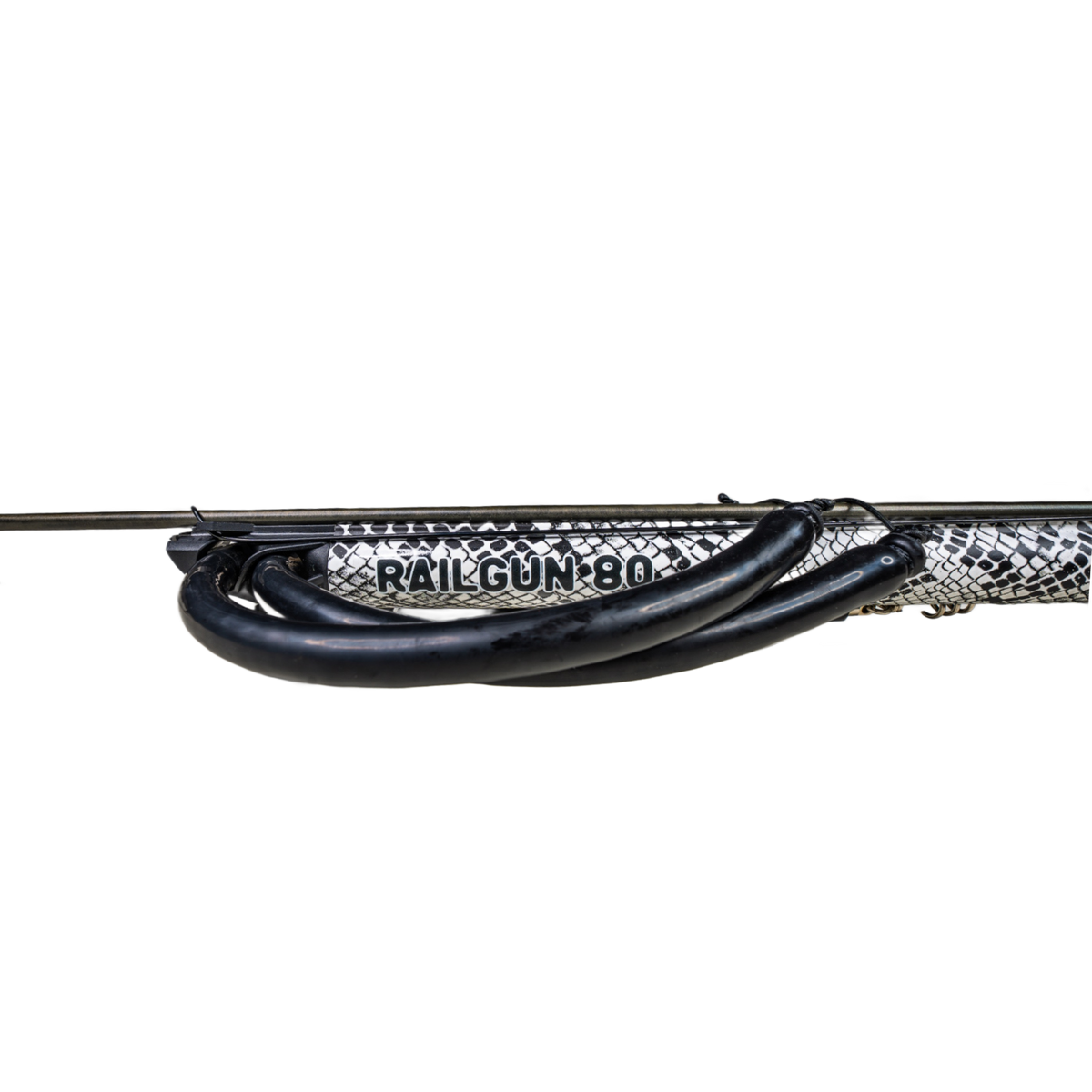
Walking into your first speargun purchase can feel a bit like stepping off the boat for the first dive of the season, exciting, slightly nerve-wracking, and full of decisions you are not quite sure how to weigh. Australian waters reward divers who pick the right gear from the start, and the wrong choice can quietly hold back your progress for years. The good news is that the smart path for beginner spearguns is far simpler than the marketing chatter suggests.
Most new spearos in Australia get solid results from a rail gun in a sensible length, rigged simply, and matched to the conditions they will actually dive. Experienced divers do not all agree on band setup though, some recommend starting with a single band to build clean loading habits, while others argue two bands are a better starting place because you can always choose to load only one. What everyone does agree on is that a sensible length and a forgiving rig will teach you more in your first season than chasing power ever will.
Why The Australian Coastline Shapes Your Gear Choice
From the kelp gutters of the southern coast to the warm reef edges up north, Australian diving asks a lot of a speargun. Visibility swings, you might hunt off rocky ledges one weekend and shallow weed beds the next, and target species range from snapper and trevally to bigger pelagics. Your first gun does not need to handle all of that, it just needs to handle your water reliably.
What Type Of Speargun Should A Beginner Choose
For a first purchase, a conventional rail gun is hard to beat. The design is straightforward, parts are easy to replace, and the loading process is forgiving while you build technique. Industry guides consistently note that the guiding rail along the barrel pins the shaft in place, producing noticeably more accurate shots than older open-muzzle styles where the spear is held only by the shooting line. That extra stability means cleaner shots while you are still learning to judge distance underwater.
Why Rail Guns Suit New Spearos
-
Simple mechanics with fewer moving parts to maintain
-
Predictable shooting line, which helps accuracy from the first dive
-
Easy to reband and upgrade as your strength and skill grow
-
Widely supported with spares, shafts, and rigging components
Roller guns and carbon roller models are stunning pieces of engineering, and many divers move into them later, but they introduce more setup, more tuning, and more cost. Starting with a clean, dependable rail gun lets you focus on breath-holding, stalking, and shot placement rather than rigging quirks. For a broader walkthrough of how to think about gun selection, the ultimate guide to choosing a speargun is a solid next read.
What Length Speargun Works Best For New Divers
Length is where many beginners get tangled up. A longer gun shoots further and harder, but it is heavier to track, harder to manoeuvre in tight reef, and slower to swing onto a moving fish. Shorter guns are nimble and fast but lack range for open water work.
How To Match Length To Where You Dive
Think about the average visibility and the fish you actually expect to encounter. A gun that shoots beyond your sight range simply adds bulk without benefit. For most Australian beginners, multiple length guides and Australian-specific advice point to a mid-length rail gun in the 90 to 110 cm range as the sweet spot for inshore reef and mixed conditions, balancing power, accuracy, and manoeuvrability.
|
Speargun Length |
Best Suited For |
Typical Fish |
Skill Level |
|---|---|---|---|
|
75 to 90 cm |
Rocky shore dives, low visibility, reef gutters |
Flathead, smaller reef fish, calamari |
Beginner in tight conditions |
|
90 to 110 cm |
Mixed reef and shallow open water |
Snapper, drummer, trevally |
Beginner to intermediate |
|
110 to 130 cm |
Clearer water, larger reef species |
Kingfish, larger snapper, mackerel |
Intermediate |
|
130 cm and longer |
Bluewater, pelagic hunting |
Tuna, wahoo, large mackerel |
Experienced only |
If you are unsure where to land, the best size speargun for beginners and kids breakdown is worth a read before you commit.
Should You Use A Reel On Your First Speargun
This is one of the more debated questions among new divers, and the honest answer is usually no, not yet. Safety-focused guides from spearfishing educators warn that reel guns are prone to jamming and line tangles, and for a diver still learning to handle a loaded gun in surge or current, that can escalate from frustrating to genuinely dangerous. The most common problem is the dreaded muzzle wrap, where loose line tangles around the front of the gun at the wrong moment, and worst-case scenarios include entanglement with a strong fish at depth.
When A Float Line Is The Smarter Choice
A traditional float line and float setup is simpler to rig, and with a brightly coloured float on the surface it is far more visible to passing boats, something float line guides consistently highlight as a core safety feature. You can see your line at all times, you can clip and unclip easily, and fish that pull hard are slowed by the drag of the float rather than relying on your reel drag and instincts. Worth noting though, not all float lines behave the same, bungee-style lines absorb sudden tension better than fixed lines, so as you progress you may find a setup that suits your hunting style even better.
-
Float lines give clear surface visibility for safety
-
Drag from a float tires a strong fish without complex line management
-
Fewer tangles around the muzzle during loading and shooting
-
Easier to share gear or switch between guns
Reels have a place once you are confident, particularly for boat-based work or specific hunting styles, but they reward divers who have already mastered the basics. Browse the reels, fins and floats range when you are ready to fine-tune your rigging.
How Should You Rig A Beginner Speargun
Rigging is where you can either keep things clean and reliable or create yourself a hundred small frustrations. For a first gun, keep it deliberately simple. The evidence is mixed on the exact band setup, some experienced spearos prefer a single band to teach clean loading, others argue a double band gives the power most beginners actually need, so let your gun length, target species, and shoulder strength guide that call.
What A Sensible Starter Rig Looks Like
-
Single rubber band of moderate diameter, typically 16 mm, with the option to add a second once loading feels easy
-
A standard 6.5 mm or 7 mm shaft with a single flopper
-
Mono shooting line in a clean wishbone setup
-
Short bungee, float line, and a visible surface float
One band is plenty while you build loading technique and shoulder strength, and it reduces recoil, which helps accuracy. Once your loading is smooth and your shots are landing where you intend, you can step up.
When To Upgrade To Heavier Bands And A Stronger Shaft
A common progression for divers working rocky reef and larger fish is to add a second band and step up the shaft diameter. The right pairing depends on the gun, the bands, and the fish, with working spearos sharing different combinations that suit their water. The extra power drives the shaft through tougher fish and resists bending when shots clip stone. This is an upgrade for after you have logged real water time, not a starting point.
-
Twin bands suit divers comfortable with loading heavier setups
-
A heavier shaft holds up better against reef and bigger fish
-
Stronger rigging pairs well with longer guns for clearer water
How Much Should You Spend On Your First Speargun
Budget is a fair question, and the answer depends on how seriously you plan to dive. Entry-level guns around the lower end of the market can certainly get you in the water, and they are a reasonable test if you are not sure spearfishing will stick. The trade-off is usually in materials, accuracy, and how long the gun stays tight and true.
What Cheap Versus Quality Buys You
|
Price Tier |
What You Typically Get |
Best For |
|---|---|---|
|
Budget entry level |
Basic materials, average accuracy, limited spares support |
Testing the sport before committing |
|
Mid range |
Durable rail, reliable trigger, easy to rebuild and upgrade |
Most beginners who plan to dive regularly |
|
Premium |
Refined accuracy, lighter weight, advanced features |
Divers with clear preferences and consistent water time |
A solid mid-range rail gun is a strong starting point, and an Australian-made option gives you the durability to handle local conditions and the support to rebuild and rerig over time. The evidence on the absolute best beginner speargun is mixed though, with reviewers pointing to a range of brands and price points, so the right gun for you may come down to what feels balanced in your hands and what you can service locally.
How Do You Look After Your New Speargun
Saltwater is patient and persistent. A few simple habits will keep your gun reliable, your trigger crisp, and your bands working as they should for years.
-
Rinse thoroughly in fresh water after every dive, including the muzzle and trigger, which manufacturer care guidelines highlight as the single most important habit for preventing corrosion
-
Inspect rubbers for cracks and replace them before they fail mid-dive, advice echoed across band deterioration guides and manufacturer notes warning that small cracks signal the band is no longer safe to load
-
Check the shaft for straightness and the flopper for free movement
-
Store the gun unloaded, out of direct sun, and away from heat
-
Lightly lubricate the trigger mechanism on a regular schedule
The speargun maintenance tips walkthrough covers the finer points if you want a deeper checklist to follow.
What The Evidence Shows About Beginner Spearguns
-
Rail guns offer measurably better shaft tracking and accuracy than older open-muzzle designs, making them a strong first choice for new divers.
-
A mid-length gun in the 90 to 110 cm range is the most widely recommended size for Australian inshore conditions, balancing power and manoeuvrability.
-
For safety, a float line and visible float is consistently advised over a reel for beginners, with reels carrying real entanglement and line management risks.
-
Regular fresh water rinsing and band inspection are the two maintenance habits experts agree on most strongly for keeping a speargun safe and reliable.
-
The evidence is still mixed on whether single or double bands are best for a first setup, so personal strength, loading confidence, and target species should guide the call.
-
Experts have different views on the exact "best" beginner gun and price tier, so try a few in person and trust the one that feels balanced and easy to load.
What To Do Next As A New Spearo
Once you have a sense of the gun length, type, and rigging that suits your local water, the next step is to actually handle a few options. Picking up a gun in person, feeling the balance, checking the loading effort, and looking down the rail tells you things no spec sheet ever will.
How To Move From Research To First Dive
-
Confirm the species and conditions you will dive in the first six months
-
Choose a rail gun length that matches that visibility and target size
-
Start with a manageable band setup and standard shaft to learn good habits
-
Pair the gun with a visible float line setup rather than a reel
-
Build a maintenance routine from day one
When you are ready to compare options side by side, take a look at the full Australian-made speargun collection and narrow it down to a couple of realistic candidates.
[collection-carousel="railguns"]
Final Thoughts On Choosing Your First Speargun
The best beginner setup is the one you will dive often, load confidently, and shoot accurately. A solid rail gun in a sensible length, rigged simply and paired with a float line, will teach you more in a season than any premium setup you cannot yet handle. Upgrades come naturally once you know how you hunt and what your local water demands.
Take your time, ask other divers in your area, and pick gear built to last in real Australian conditions. The fish will come, the technique will sharpen, and the gun you started on will remain a trusted backup long after you have added more specialised options to the rack.