
Carbon Speargun Guide
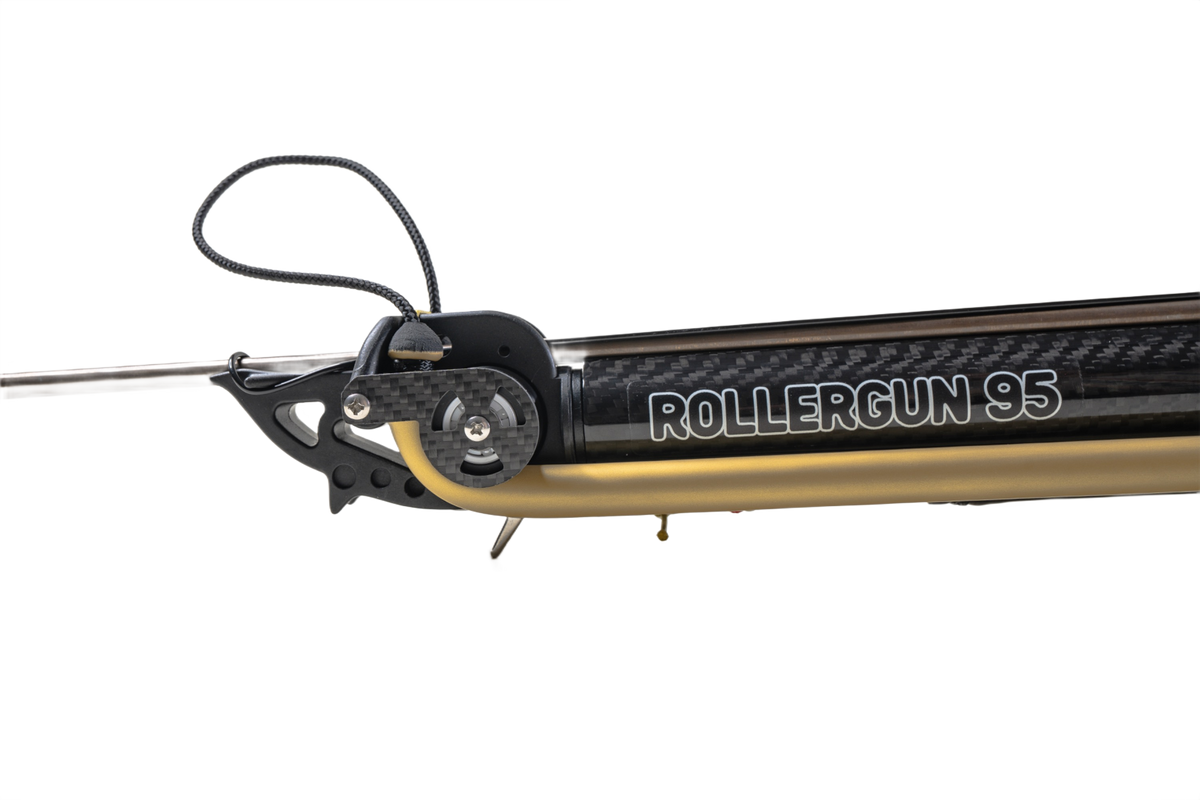
Stepping up to a carbon speargun is one of those upgrades that genuinely changes how you hunt. Lighter in the water, stiffer under load, and famously quiet on the shot, carbon barrels have shifted from niche enthusiast gear to a serious option for spearos chasing reach, accuracy, and comfort on long dives. If you have been weighing whether a carbon speargun belongs in your quiver, the honest answer depends on how you dive, what you hunt, and how much you want to fine tune your setup.
The goal here is simple. Cut through the noise around carbon spearguns, explain what actually matters in the build, and give you a practical way to choose a model that matches your local conditions. Australian water is varied, from clear bluewater off the east coast to murkier southern reefs, and the right gun should make life easier, not harder.
Who Should Keep Reading
-
Divers moving from a beginner rail gun to something more refined
-
Bluewater hunters who want reach without arm fatigue
-
Reef spearos chasing manoeuvrability and a quiet shot
-
Experienced spearos comparing roller designs to traditional setups
What Makes A Carbon Speargun Different From Other Spearguns
At a glance, a carbon speargun looks similar to any other rail or roller gun. The barrel material is where everything changes. Carbon fibre is significantly stiffer per gram than aluminium and far lighter than most timbers, which means the gun tracks straighter under heavy band load and sits more neutrally in the water. Engineering data backs this up, with carbon fibre reinforced polymer offering a stiffness-to-weight ratio several times higher than aluminium, which is exactly why it has become the go to material for high performance gear.
That stiffness translates directly into accuracy. Less flex during the shot means more of the band energy goes into the shaft rather than being lost to vibration in the barrel. Industry breakdowns of carbon versus aluminium spearguns confirm that the rigidity of a carbon barrel reduces power loss and gives a cleaner, quieter release, which matters more than people realise on pressured fish.
How Does Barrel Shape Affect Performance
Not all carbon barrels are built the same. Some are straight tubes, others use a cuttlefish or teardrop profile to improve hydrodynamics and reduce roll. Manufacturer guides, including expert advice on choosing the best carbon speargun, point out that shaped barrels help with buoyancy, balance, and tracking, particularly on longer guns. If you want a deeper look at how shape impacts swing and tracking, the breakdown on straight versus cuttlefish carbon barrels is worth a read before you commit.
-
Straight barrels are simple, predictable, and easy to track
-
Cuttlefish profiles cut through water with less drag and resist roll on long guns
-
Reinforced layups handle heavier band configurations without flex
Why Are Roller And Carbon Setups So Popular Right Now
Community feedback from experienced spearos keeps circling back to the same point. A well built roller, especially one with a carbon barrel, shoots flat, fast, and with very little recoil. That said, the evidence here is still emerging and not all spearos agree. Some long range testing shows carbon rollers shooting almost level with minimal muzzle flip, while other divers note that the low mass of a carbon barrel can actually make recoil more noticeable unless the gun is properly balanced or ballasted. Either way, it is a real advantage when you are stretching the gun on a wary mackerel or a wall hugging snapper.
Carbon roller models are often described as pairing the natural stiffness of the barrel with a smoother overall shot. The picture is a little more nuanced than the marketing suggests. The stiffness of carbon is well documented, but the smoothness of a roller shot comes more from the mechanical path of the bands and the way tension is maintained through the full shaft travel, as explained in this comparison of roller and inverted roller spearguns, rather than from any unique property of the rubber itself.
What Does Low Recoil Actually Mean In Practice
Recoil is not just a comfort issue. Every bit of kick pulls the muzzle off target during the critical milliseconds the shaft is leaving the gun. Lower recoil generally means tighter groups, especially at the edges of your effective range, and guidance on speargun selection consistently links low recoil designs to better aim stability and cleaner shots.
-
Cleaner follow through on long shots
-
Less wrist fatigue across a full day of diving
-
Quieter signature, which keeps fish calmer after a missed shot
How Do You Choose The Right Carbon Speargun Length
Length is the single biggest decision you will make. Too short and you lose reach and power. Too long and the gun becomes a chore to swing in tight reef country. The right answer depends on visibility, target species, and where you dive most often. Experienced spearos and outlets like Coastal Angler Magazine agree that shorter guns excel in caves and structure, while longer guns dominate open water where bigger pelagics roam.
If you are unsure where to start, the speargun length range specifications give a clear rundown of which sizes suit which scenarios. As a rule of thumb, shorter guns shine in caves and structure, while longer guns dominate open water.
|
Speargun Length |
Best Use |
Typical Target |
Visibility |
|---|---|---|---|
|
90 to 100 cm |
Reef holes, kelp, caves |
Snapper, trevally, smaller reef fish |
Low to moderate |
|
110 to 120 cm |
All round reef and shallow bluewater |
Coral trout, jobfish, kingfish |
Moderate |
|
130 to 140 cm |
Open water, drifting, edge of reef |
Mackerel, larger kingfish, cobia |
Good |
|
150 cm and above |
True bluewater hunting |
Wahoo, tuna, large pelagics |
Excellent |
Should You Size Up Or Size Down
When in doubt, match the gun to your most common dive site, not your dream trip. A 140 cm bluewater rig is wasted in a 4 metre vis kelp wash, and a stubby 90 cm gun will leave you short on a calm day off the shelf.
What Should You Look For In A Quality Carbon Speargun
Build quality is where carbon spearguns either earn their price tag or disappoint. The barrel is only one piece of the puzzle. Trigger mechanism, muzzle design, handle ergonomics, and rigging all influence how the gun shoots and how long it lasts.
Which Components Deserve The Closest Attention
-
Trigger mechanism, ideally stainless steel with a crisp, light pull and a reliable line release
-
Muzzle, closed muzzles for accuracy on dual band setups, open muzzles for fast reloads
-
Handle, comfortable grip angle that keeps your wrist neutral when tracking
-
Rail, integrated track that keeps the shaft true through the entire travel
-
Rigging, quality shooting line, swivels, and shock cord that match the band power
One pattern that comes up again and again with experienced spearos is the value of reverse trigger mechanisms. These designs allow longer shaft travel within a shorter barrel, which gives you more power for the same swing length. If your shortlisted gun does not include one, it is worth understanding why before you buy.
How Do Carbon Spearguns Compare To Other Materials
There is no single best material, only the best material for how you dive. Plenty of long term spearos still swear by timber or aluminium because they trust how those guns feel. That loyalty is well earned, but carbon has clear advantages worth weighing. Industry reviews of carbon fibre spearguns in Australian conditions consistently highlight lighter swing weight, better balance, and a quieter shot, balanced against a higher upfront cost.
|
Barrel Material |
Strengths |
Trade Offs |
Best For |
|---|---|---|---|
|
Carbon fibre |
Stiff, light, neutral buoyancy, quiet shot |
Higher upfront cost |
Performance focused divers, bluewater |
|
Aluminium |
Affordable, durable, easy to maintain |
Heavier in air, more flex on heavy bands |
Beginners and reef work |
|
Timber |
Excellent recoil absorption, warm feel |
Heavier, more maintenance, bulkier |
Custom builds, traditionalists |
Is Customisation Worth Considering
Many experienced spearos eventually move toward semi custom or fully tailored setups. The reason is simple. Once you know how you dive, small tweaks to band thickness, shaft diameter, and rigging unlock real performance gains. A solid carbon platform makes those tweaks more rewarding because the barrel itself stays consistent. For a fuller framework on weighing features, the ultimate guide to choosing a speargun is a strong companion read.
How Do You Look After A Carbon Speargun
Carbon barrels are tough, but they are not invincible. Salt, sand, and UV will all chip away at hardware and rigging if you let them. The picture is a little more nuanced than the simple headline. Carbon fibre itself shrugs off seawater reasonably well, but the epoxy resin that holds the fibres together does degrade with prolonged UV exposure, and sand or sharp impacts can score the surface. Trigger components, bands, and rigging hardware are where salt really does its damage, which is why a proper rinse routine matters.
What Does A Simple Maintenance Routine Look Like
-
Rinse the whole gun in fresh water as soon as you are off the boat or beach
-
Flush the trigger mechanism by working it under running water
-
Inspect bands for nicks, chalkiness, or stretched wishbones
-
Check the shooting line and crimps for fraying or corrosion
-
Dry the gun in shade and store it horizontally, away from direct sun
For a deeper routine including seasonal checks and band replacement timing, the speargun maintenance tips cover the full process.
When Should You Replace Parts Versus The Whole Gun
-
Replace bands every 6 to 12 months depending on use and storage. Studies of latex band deterioration show that rubber degrades naturally within 8 to 12 months regardless of use, and heat or UV exposure shortens that window further
-
Replace shooting line at the first sign of fray or after a hard pull on structure
-
Service the trigger annually if you dive regularly
-
Replace the gun only if the barrel is compromised, which is rare with quality carbon
What The Research And Experience Show About Carbon Spearguns
-
Carbon fibre has a stiffness-to-weight ratio several times higher than aluminium, which is well documented in material engineering data, and explains the lighter swing and straighter tracking
-
Less barrel flex means more band energy reaches the shaft, supporting the accuracy and quiet shot that carbon rigs are known for
-
Shorter guns are clearly best for caves and structure, while longer guns dominate open water for bigger pelagics, a point echoed by experienced spearos and dive magazines alike
-
Bands typically need replacing every 6 to 12 months, with heat, sunlight, and frequent use pushing that closer to the shorter end
-
The "almost no recoil" reputation of carbon rollers is partly true and partly marketing. Not all spearos agree, and some testing suggests low barrel mass can actually amplify kick unless the gun is balanced properly
-
Whether a carbon barrel feels like a genuine upgrade depends a lot on how you dive. Benefits scale with gun length and how often you stretch the gun on bigger fish
What To Do Next If You Are Ready To Upgrade
If a carbon speargun is on your shortlist, the smartest move is to match the gun to your most common conditions first, then think about reach and target species. Browse the current range of spearguns built for Australian conditions and shortlist two or three lengths that suit your local dive sites. From there, think about whether a roller or conventional rail gun fits your style better.
Do not forget the supporting gear. A great gun shoots only as well as the rigging around it. The right reels, fins, and floats turn a capable setup into a complete hunting system, especially if you are working further from the boat or chasing bigger fish.
[collection-carousel="rollerguns"]
A Quick Pre Purchase Checklist
-
Identified your primary dive environment and visibility range
-
Chosen a length that suits that environment, not your wishlist trip
-
Decided between roller and conventional rail based on target species
-
Confirmed the trigger mechanism, muzzle, and handle suit your hand size
-
Planned rigging, including reel or float line, before the first dive
Final Thoughts On Choosing A Carbon Speargun
A carbon speargun is not a magic upgrade, but it is a genuine one. The stiffness, light swing weight, and quiet shot all add up to a gun that rewards good technique and grows with you as your diving sharpens. Pair that with the right length, sensible rigging, and a maintenance habit you actually stick to, and you have a setup that will serve you for many seasons.
Take your time choosing. Test where you can, ask experienced spearos at your local club, and remember that the best gun is the one you can shoot accurately, comfortably, and confidently in the water you dive most.